Residential Tree Service in San Jose, CA
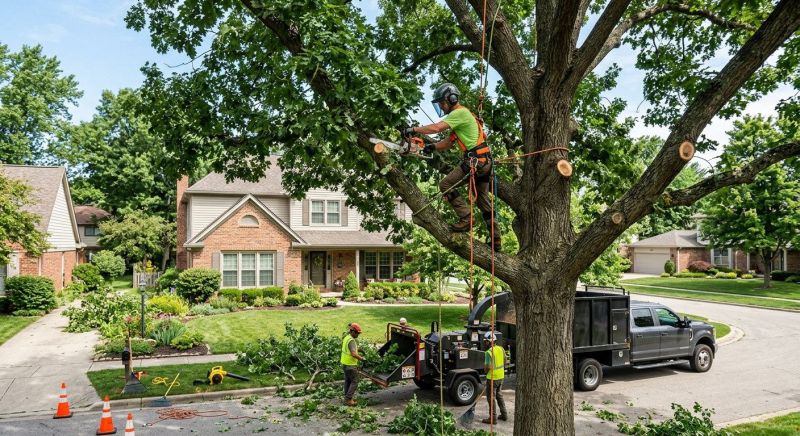
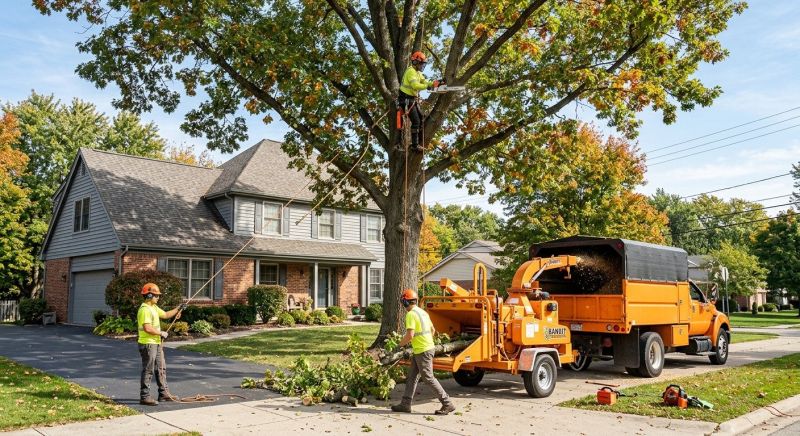
Residential tree service encompasses a range of professional tasks aimed at maintaining, removing, or shaping trees on private properties. Common projects include tree trimming and pruning to promote healthy growth, branch removal to prevent hazards, and full tree removal when a tree is dead, diseased, or poses a risk to structures or people. Property owners often seek these services to enhance curb appeal, ensure safety, or address damage caused by storms or aging trees. Before requesting tree services, it’s helpful to understand the condition of the trees, the scope of work needed, and any potential impacts on surrounding landscaping or structures.
Homeowners should consider factors such as tree size, location, and health when planning a project. It’s important to evaluate whether a tree’s roots may interfere with underground utilities or foundations, and to identify any existing damage or disease. Clear communication about desired outcomes, such as shaping or thinning, can help ensure the work aligns with property goals. Understanding these aspects can aid in making informed decisions and ensuring the safety and aesthetic value of the property are maintained during the tree service process.
Many property owners in San Jose, CA look into Residential Tree Service for repairs, replacements, upgrades, and appearance-related improvements.
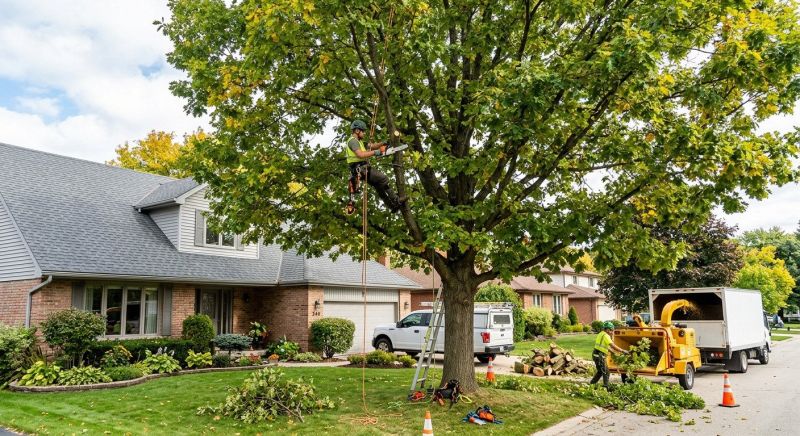
Tree Pruning And Trimming
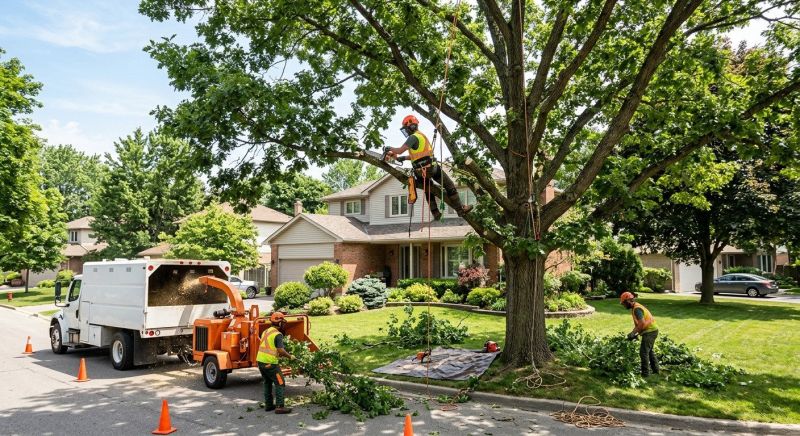
Maintaining the health and appearance of trees through professional pruning helps prevent hazards and promotes growth.
Stump Removal And Grinding
Removing unsightly or hazardous stumps ensures safety and enhances the landscape of residential properties in san jose.
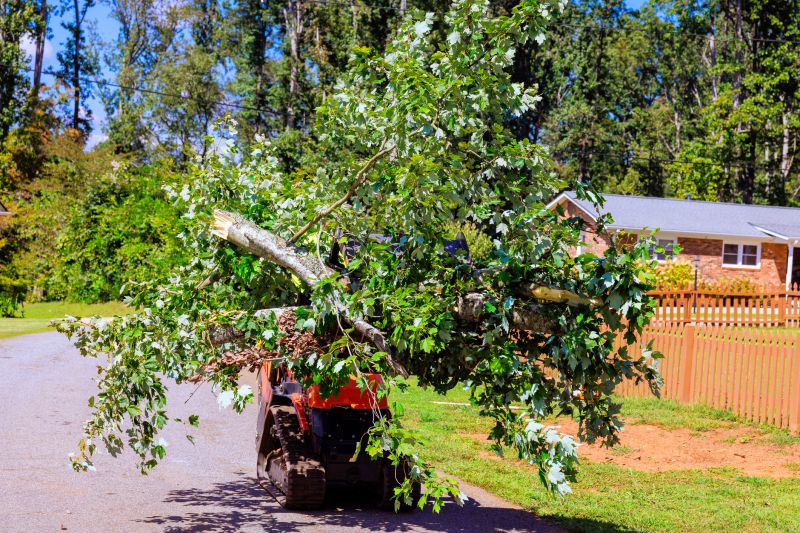
Emergency Tree Care
Prompt assistance with storm-damaged or fallen trees helps protect property and restore safety quickly.
Residential Tree Service in San Jose, CA
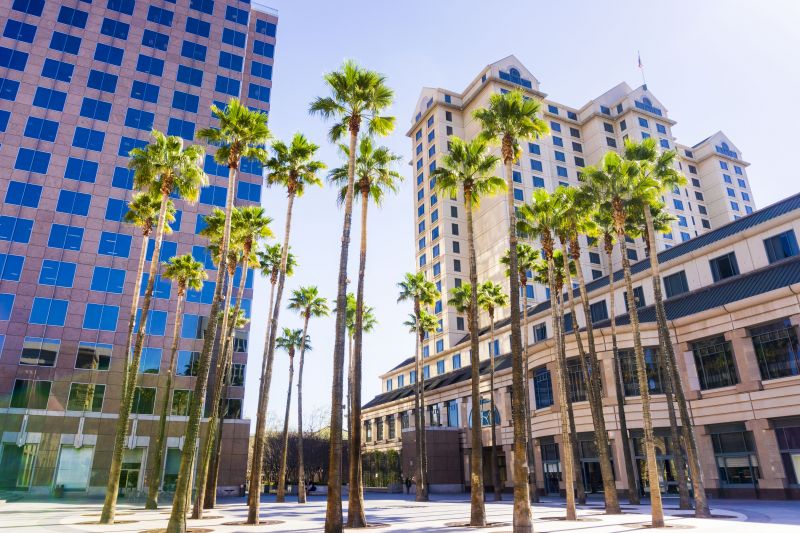
Residential tree service encompasses a range of professional tasks aimed at maintaining, removing, or shaping trees on private properties. Common projects include tree trimming and pruning to promote healthy growth, branch removal to prevent hazards, and full tree removal when a tree is dead, diseased, or poses a risk to structures or people. Property owners often seek these services to enhance curb appeal, ensure safety, or address damage caused by storms or aging trees. Before requesting tree services, it’s helpful to understand the condition of the trees, the scope of work needed, and any potential impacts on surrounding landscaping or structures.
Homeowners should consider factors such as tree size, location, and health when planning a project. It’s important to evaluate whether a tree’s roots may interfere with underground utilities or foundations, and to identify any existing damage or disease. Clear communication about desired outcomes, such as shaping or thinning, can help ensure the work aligns with property goals. Understanding these aspects can aid in making informed decisions and ensuring the safety and aesthetic value of the property are maintained during the tree service process.
Many property owners in San Jose, CA look into Residential Tree Service for repairs, replacements, upgrades, and appearance-related improvements.
Common Residential Tree Service Jobs
Tree pruning - shaping and trimming trees to promote healthy growth and maintain appearance.
Tree removal - safely taking down damaged or unwanted trees to prevent property damage.
Stump grinding - removing tree stumps to clear the landscape and improve yard safety.
Emergency tree services - addressing storm-damaged or hazardous trees promptly to protect property.
Cabling and bracing - reinforcing weak or leaning trees to enhance stability and safety.
Land clearing - removing trees and brush to prepare the property for development or landscaping.
Residential Tree Service Questions
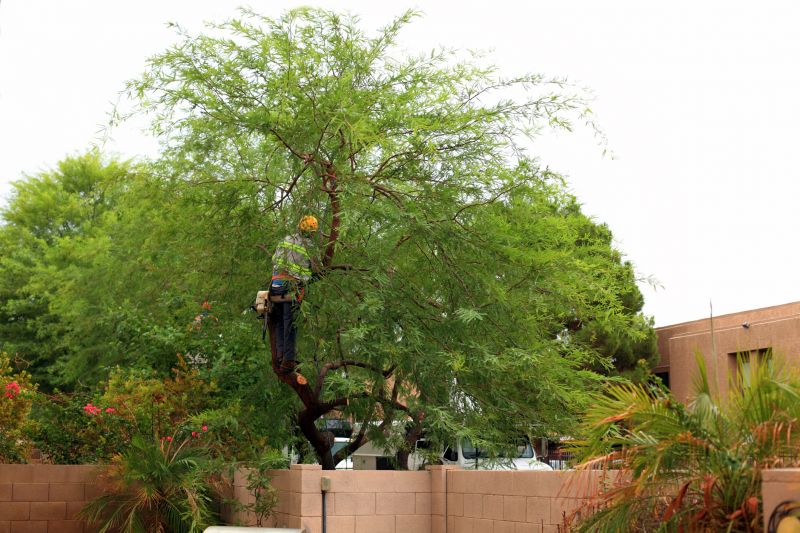
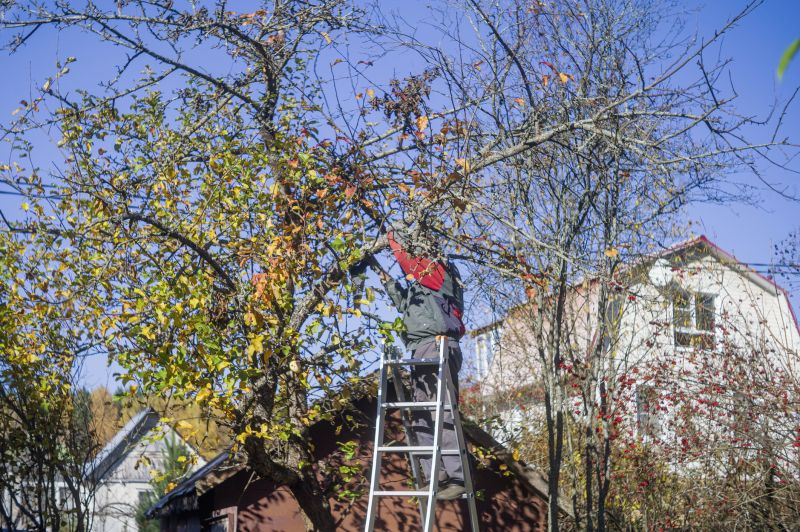
What types of trees are commonly serviced? Residential tree services typically include pruning, removal, and health assessments for a variety of trees such as oaks, maples, and fruit trees.
When is tree trimming recommended? Tree trimming is often performed to improve tree health, remove dead branches, or maintain proper clearance around structures.
How are hazardous trees identified? Hazardous trees are identified by signs like large dead branches, leaning trunks, or root instability that could pose a risk to property or safety.
What should property owners consider before tree removal? Considerations include the tree’s location, size, and potential impact on nearby structures or utilities before removal services are scheduled.
Request Residential Tree Service in San Jose, CA
Use the quote form on this page to share the basics of your project and request more information for the type of work you need.